PRECISION. INNOVATION. BETTER OUTCOMES.
Interventional Radiologist in Bhuj
Advanced Image-Guided Interventional Excellence
Delivering minimally invasive, image-guided treatments for vascular, oncologic, spine, and pain conditions with precision, safety, and faster recovery outcomes.
Image-Guided Precision
Minimally Invasive
Faster Recovery
Patient-Centered Care
Advanced Technology. Compassionate Care.
Improving patient outcomes through innovation, expertise, and minimally invasive image-guided procedures.
Minimally Invasive Procedures
Small incisions. Less pain. Faster recovery.
Advanced Imaging & Technology
Precision diagnosis. Better treatment.
Patient-Centric Care
Personalized treatment with compassion.
Safe. Effective. Proven.
Evidence-based approach for the best outcomes.
Leading the Future of Endovascular Excellence
We are dedicated to delivering advanced, minimally invasive treatments through cutting-edge endovascular and interventional radiology techniques — ensuring precision, faster recovery, and compassionate patient care for a wide range of vascular and non-vascular conditions.
Learn More About Us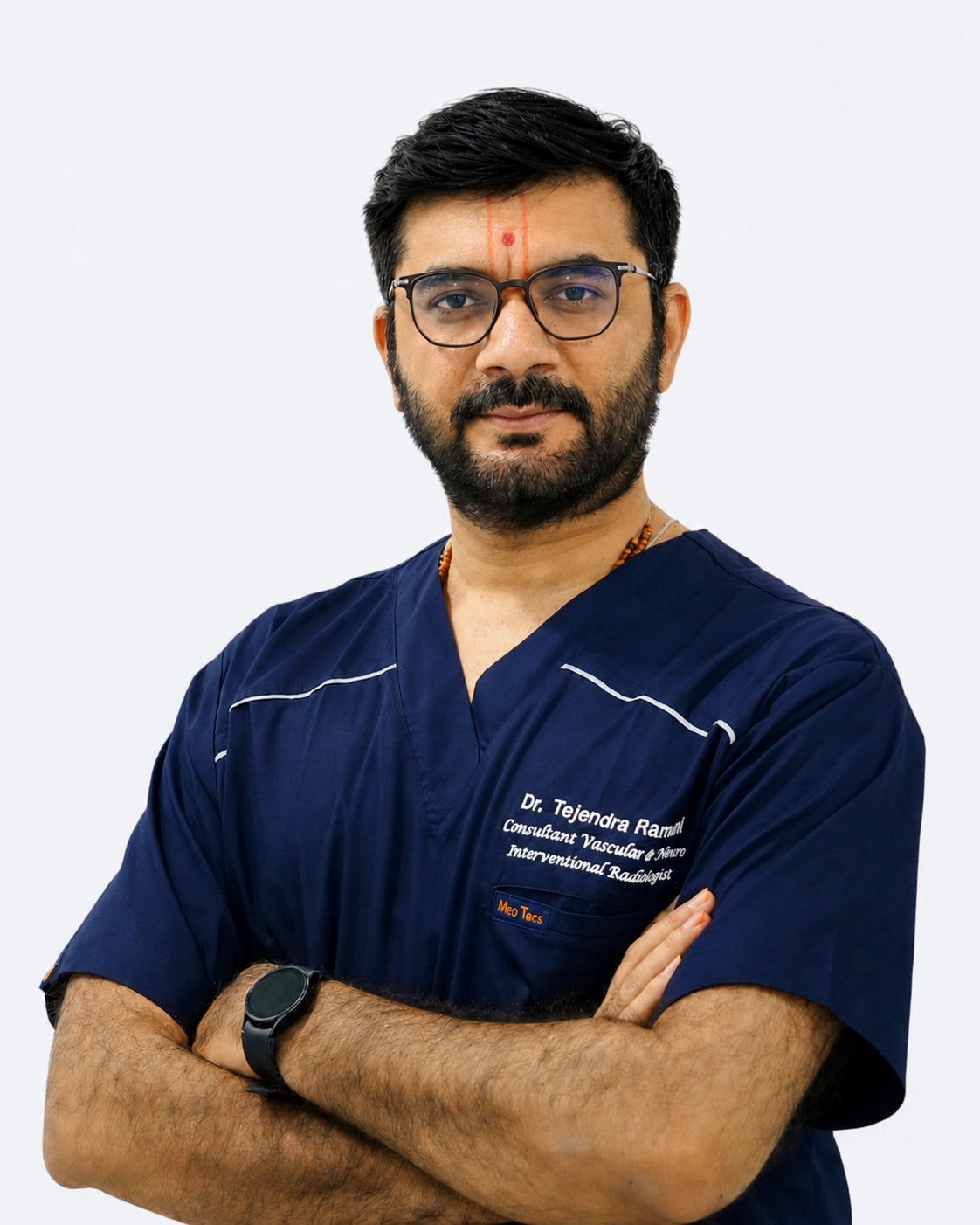
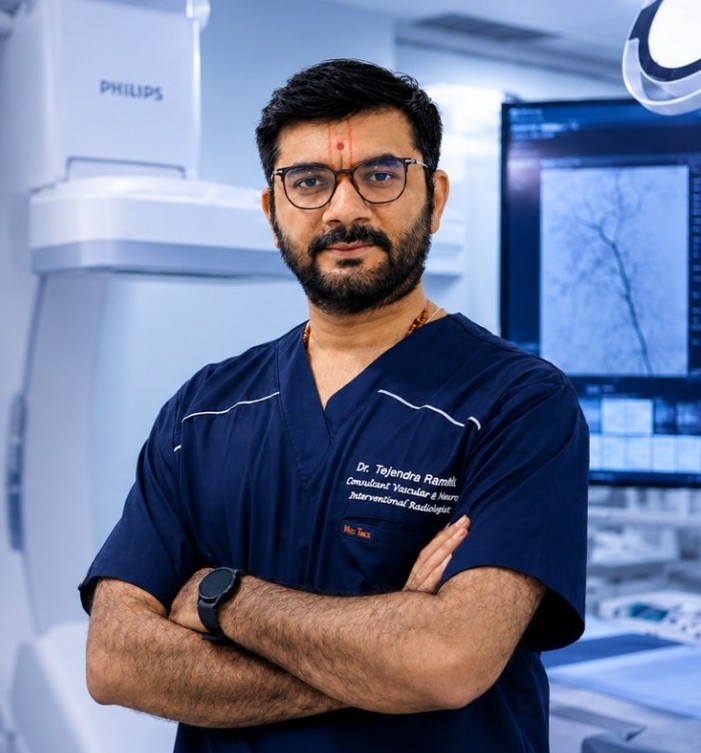
Dr. Tejendra Ashok Ramani
MD (Gold Medalist) Neuro & Vascular Interventional Specialist NIMHANS-trained Neuro Intervention, PhD Scholar
Dr. Tejendra Ramani is a highly skilled Interventional Radiologist specializing in advanced minimally invasive, image-guided treatments across vascular, neurovascular, oncological, hepatobiliary, urological, musculoskeletal, and emergency interventions.
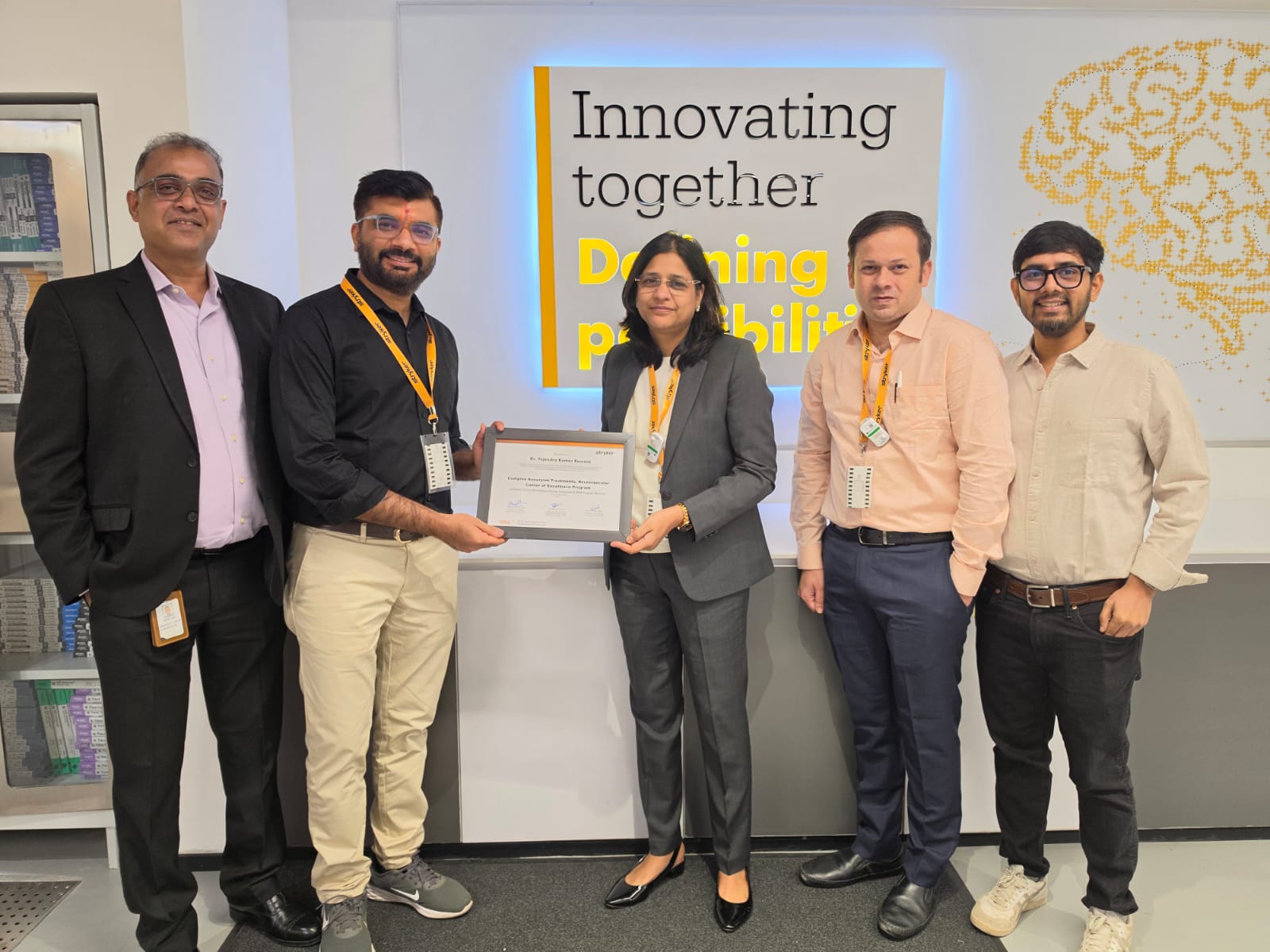
Recognized as a pioneer in bringing dedicated Interventional Radiology (IR) services to Kutch, Dr. Ramani has been instrumental in making world-class minimally invasive treatments accessible locally, reducing the need for major surgery and long-distance travel.
With expertise spanning from stroke-related neuro interventions and vascular angioplasty to cancer embolization, pain interventions, dialysis access salvage, venous therapies, and complex image-guided procedures, his approach combines precision, innovation, and patient-centered care.
Patient Education Videos
Frequently Asked Questions
Interventional Radiology is a medical specialty that uses imaging guidance such as X-rays, ultrasound, CT scans, and MRI to diagnose and treat diseases through minimally invasive procedures. These procedures are usually performed using tiny incisions, resulting in less pain, faster recovery, and shorter hospital stays.
Interventional Radiologists use advanced imaging technology to guide small catheters, needles, or wires inside the body to treat conditions without major surgery. Most procedures are done under local anesthesia or mild sedation.
Interventional Radiology can treat a wide range of conditions including:
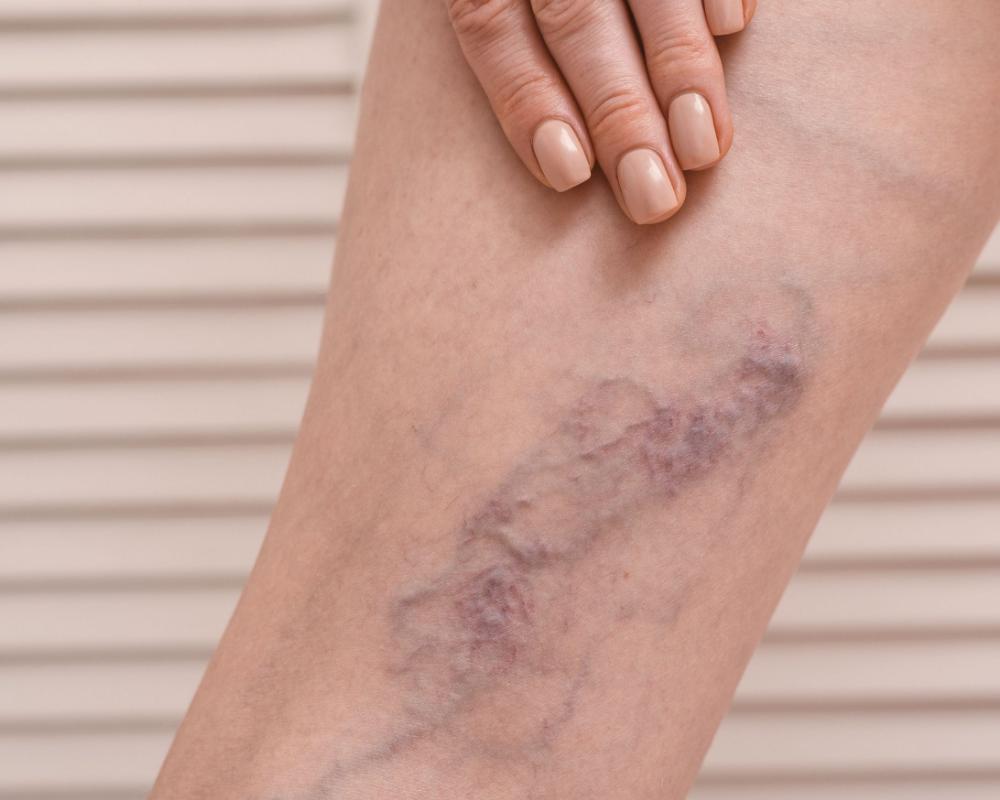
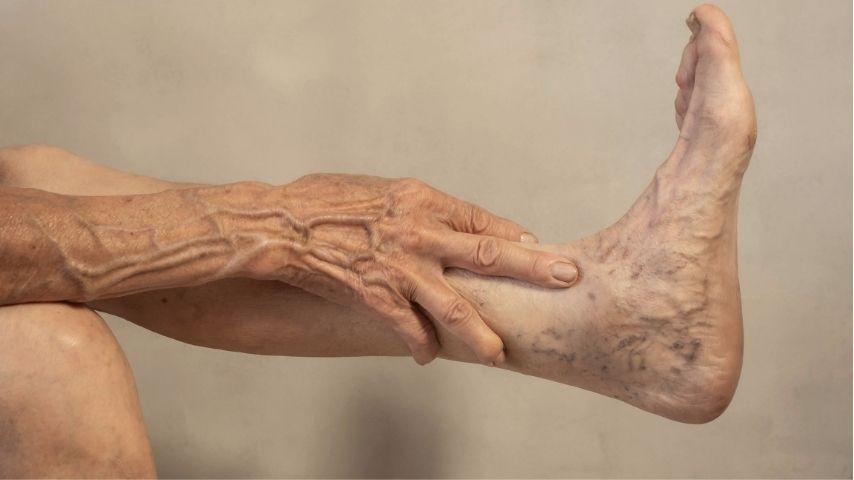
- Varicose veins
- Uterine fibroids
- Liver cancer
- Kidney tumors
- Peripheral artery disease
- Stroke
- Chronic pain
- Enlarged prostate (BPH)
- Deep vein thrombosis (DVT)
- Blocked blood vessels
- Dialysis access issues
Angioplasty is a procedure used to open blocked or narrowed arteries using a balloon, often followed by placement of a stent to maintain blood flow.
PAD treatment in Interventional Radiology involves minimally invasive procedures like angioplasty, atherectomy, or stenting to improve blood circulation in the legs.
Thrombolysis is a procedure where medications are delivered directly into a blood clot to dissolve it and restore blood flow.
Uterine Fibroid Embolization is a non-surgical treatment that shrinks fibroids by blocking their blood supply.
UFE is minimally invasive, preserves the uterus, has shorter recovery time, and avoids large surgical incisions in many suitable patients.
Most IR procedures involve minimal discomfort and are performed under local anesthesia or sedation.
Recovery is usually faster compared to traditional surgery, with many patients returning home the same day.
Yes, IR procedures are generally very safe when performed by trained specialists, with lower complication rates than open surgery.
Many procedures are daycare treatments, though some complex cases may require short hospital stays.